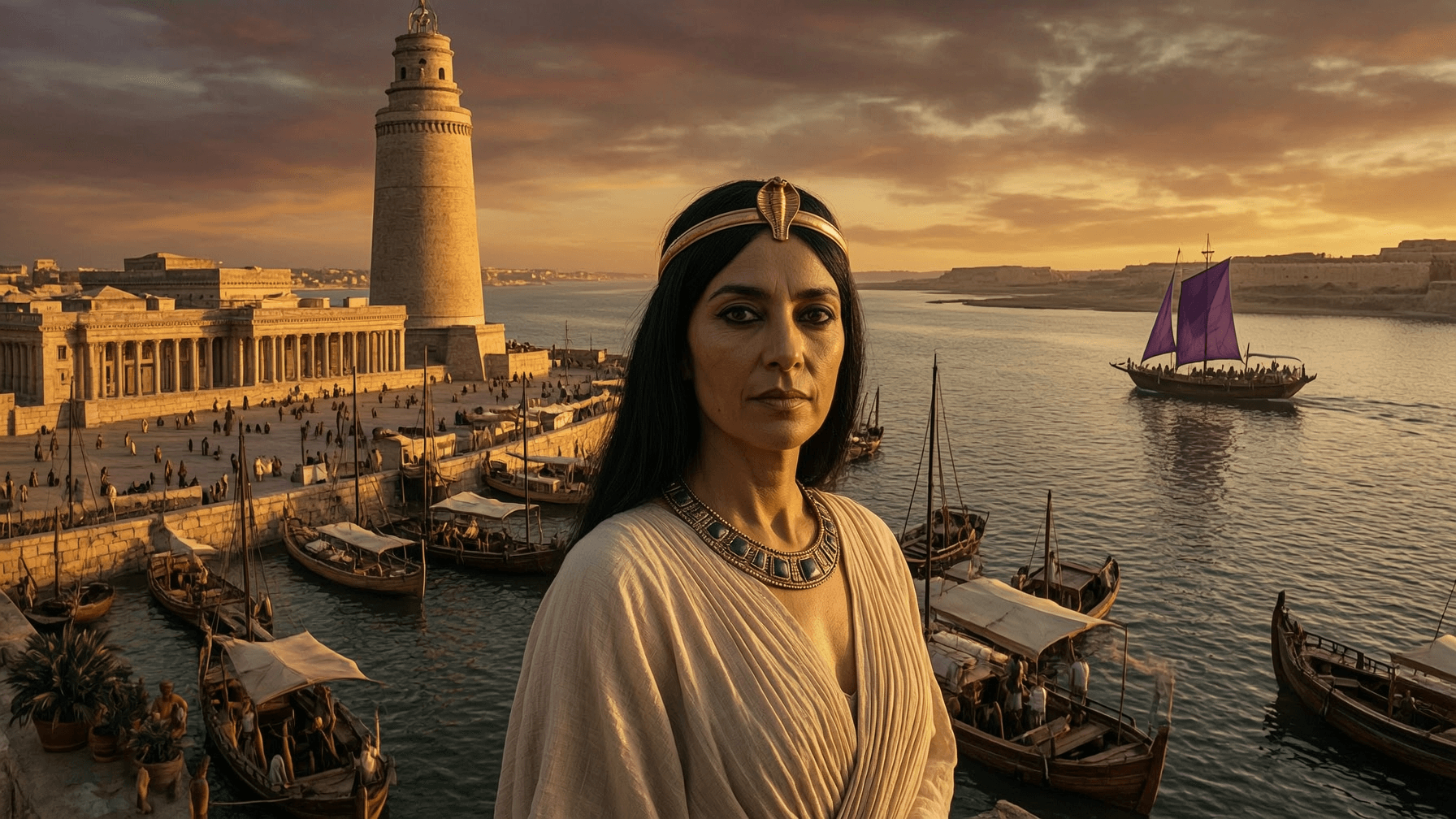
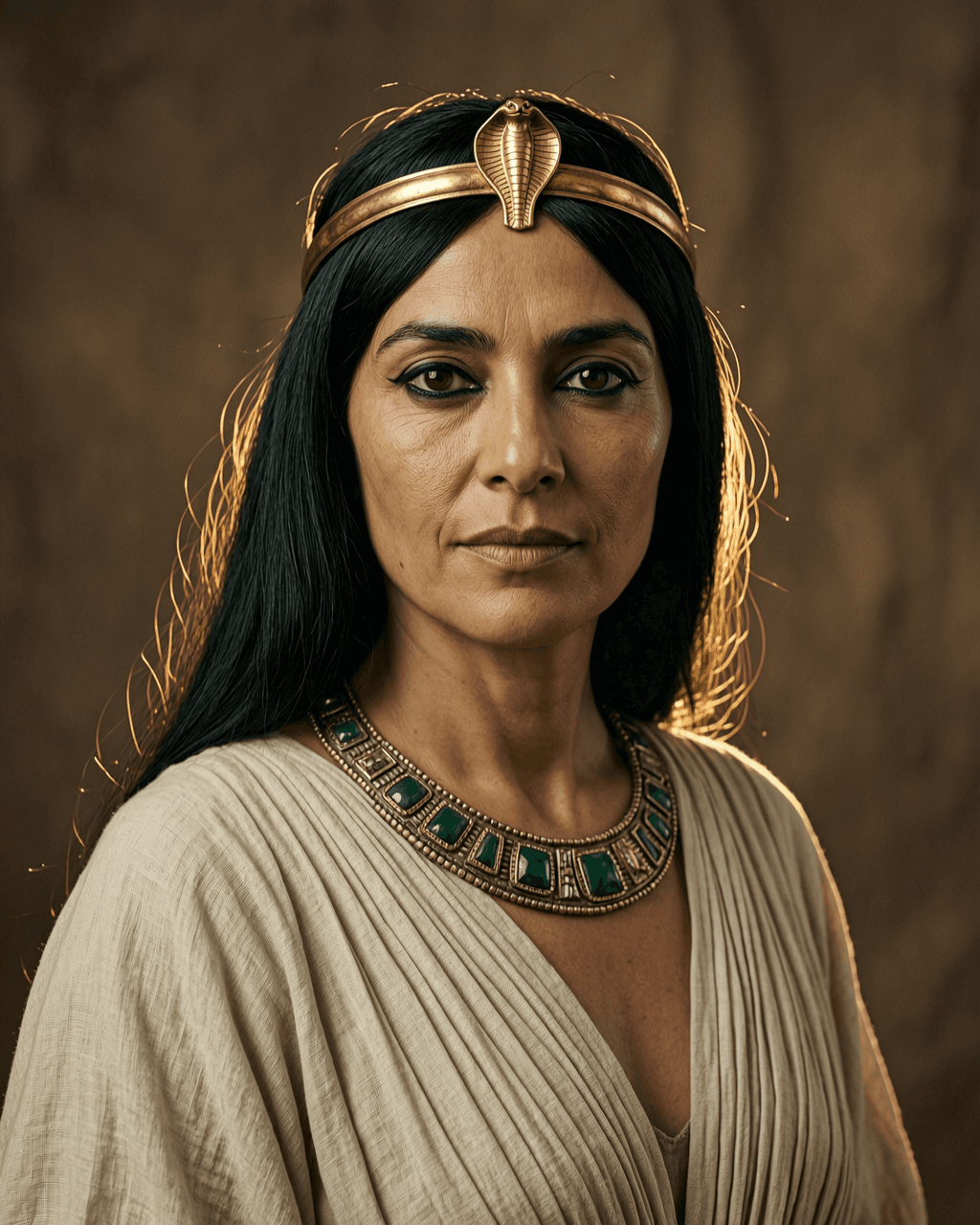
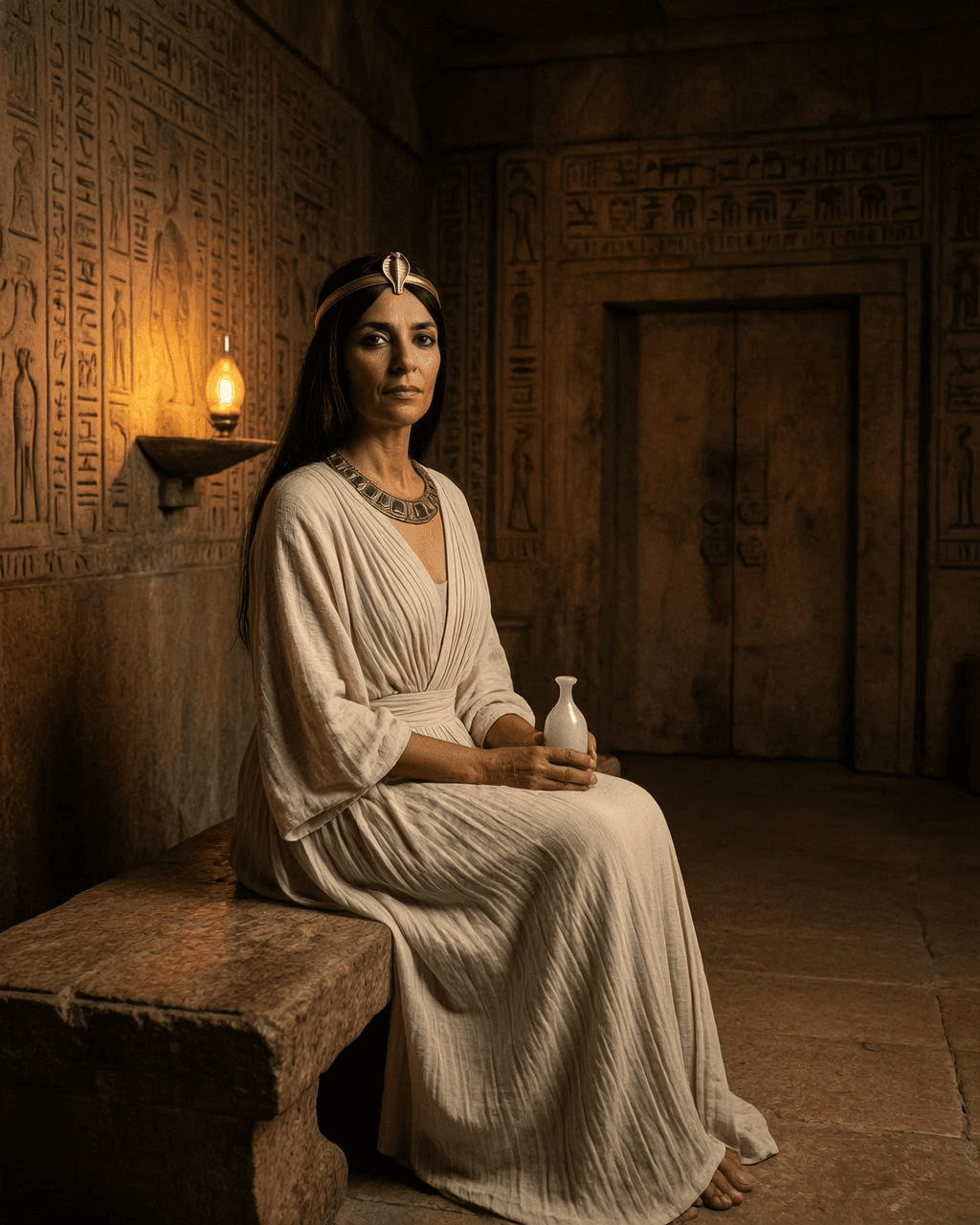
The Ptolemaic Dynasty (305–30 BC) was the product of Alexander the Great's conquest of Egypt in 332 BC and the subsequent division of his empire among his generals. Ptolemy I established a Greek-speaking dynasty that ruled Egypt for nearly three centuries, maintaining the outward forms of pharaonic tradition — the titles, the religious iconography, the ceremonies — while governing as a Hellenistic court. Alexandria, the capital, became the intellectual center of the ancient world, home to the Great Library and the Mouseion, attracting scholars from across the Mediterranean. By the time Cleopatra VII inherited the throne, the dynasty was deeply compromised: dependent on Roman military support, economically exhausted by the costs of maintaining Roman goodwill, and surrounded by territories that Rome had already absorbed.
The Hellenistic world of Cleopatra's lifetime was a world in the process of being reorganized by Roman power. Kingdom after kingdom had been absorbed — sometimes by conquest, sometimes by bequest, sometimes by the simple withdrawal of Roman support. Egypt survived as long as it did partly because of its economic importance: it was the breadbasket of the Mediterranean, and Rome needed its grain. Cleopatra understood this clearly and used it as her primary strategic asset for twenty years. Her failure — if it can be called failure — was not administrative or political but military: Octavian had better generals and more troops, and eventually the calculation of grain and gold ran out.
69 BC — Cleopatra VII born in Alexandria
51 BC — Becomes co-ruler with Ptolemy XIII on father's death
48 BC — Exiled; smuggled to Caesar; becomes sole pharaoh after Ptolemy XIII drowns
47 BC — Caesarion born; Nile journey with Caesar
41 BC — Alliance with Mark Antony formed at Tarsus
34 BC — Donations of Alexandria; Rome declares war on Cleopatra
31 BC — Battle of Actium; decisive defeat
30 BC — Death in Alexandria; Egypt becomes Roman province